


kg77.fun | The Rise of Strategy Games in the Digital Age
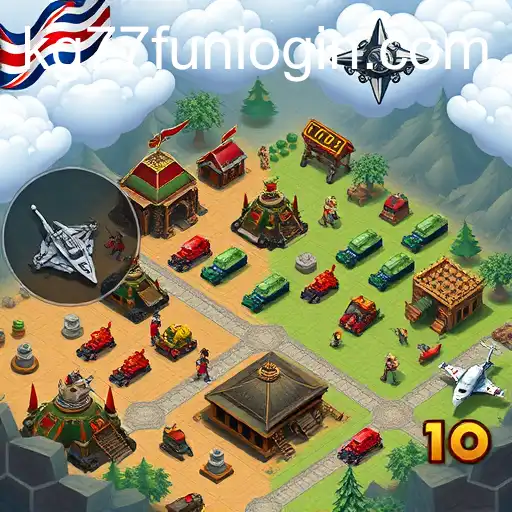
In an era dominated by rapid technological advancements and an ever-expanding gaming market, strategy games have carved out a unique niche, captivating players with their emphasis on critical thinking, tactical planning, and strategic execution. As a category, strategy games offer a distinctive experience that sets them apart from other genres, primarily through their requirement for players to engage in thoughtful decision-making as opposed to reflexive actions. The rise of online platforms, such as the one represented by the keyword 'kg77.fun', has further propelled the popularity and accessibility of these intellectually stimulating games.
Strategy games have a long and rich history, tracing their origins back to classic board games such as chess and Go, which laid the foundation for modern digital variants. Over time, strategy games evolved, leveraging technology to create increasingly complex and immersive experiences. Today, they encompass a wide array of subgenres, including real-time strategy (RTS), turn-based strategy (TBS), and grand strategy, each offering distinct gameplay mechanics and challenges.
One of the key factors contributing to the enduring appeal of strategy games is their ability to engage players on a cognitive level. Unlike fast-paced action games that often rely on quick reflexes, strategy games require players to think several steps ahead, analyze different scenarios, and develop long-term plans to achieve victory. This cerebral aspect not only provides a sense of satisfaction and accomplishment upon overcoming challenging obstacles but also enhances problem-solving skills and strategic thinking in real life.
The advent of the internet and multiplayer gaming has significantly expanded the potential audience for strategy games. Platforms like 'kg77.fun' have played a pivotal role in bringing together a global community of strategy enthusiasts, allowing them to compete against one another, share strategies, and collaborate in a dynamic digital environment. Online multiplayer modes enable players to test their skills against opponents from around the world, adding a layer of unpredictability and competitiveness that enhances the overall experience.
Furthermore, the social aspect of strategy games cannot be overlooked. These games often encourage cooperation and teamwork, fostering a sense of community as players join forces to achieve common goals or engage in friendly rivalry. The strategic depth and complexity of these games create opportunities for players to develop lasting friendships and partake in vibrant gaming communities centered around shared interests.
In conclusion, strategy games have come a long way since their inception, evolving into a diverse and captivating genre that continues to thrive in the digital landscape. Platforms like 'kg77.fun' exemplify the growing accessibility and popularity of these games, offering players a plethora of strategic challenges and opportunities to test their intellect against others. As technology continues to advance, it is safe to say that the allure of strategy games will persist, captivating new generations of players eager to immerse themselves in the art of strategy and decision-making.
